


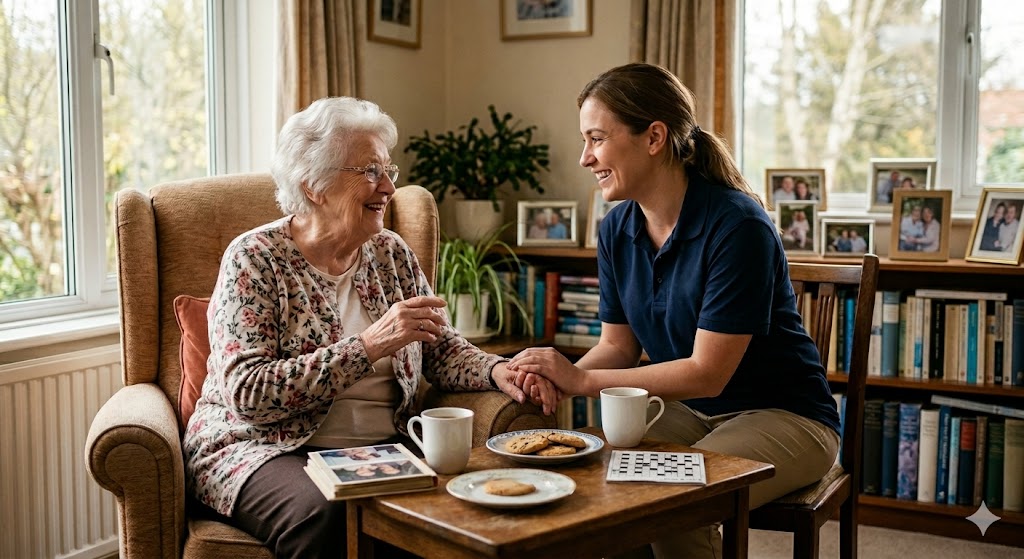
Quick Response: Senior loneliness can significantly impact both emotional and physical health, increasing risks such as depression, cognitive decline, and hospitalization. Professional home care helps seniors stay socially connected, emotionally supported, and safer at home through companionship, daily assistance, and consistent caregiver interaction. T.O.N.E. Home Care helps seniors across Southeast Michigan age in place with dignity, comfort, and compassionate support.
Aging in place is a cherished milestone for many families. There is a deep sense of comfort in remaining within the familiar surroundings of one’s own home, where decades of memories reside and where a senior feels most like themselves. However, as loved ones grow older, many families encounter a quiet but serious challenge they may not immediately recognize: persistent loneliness.
While families often focus on physical safety, medications, and medical appointments, emotional well-being can sometimes go overlooked. Yet meaningful social connection is not simply a comfort for seniors — it is an essential part of maintaining overall health, emotional stability, and quality of life. For many older adults, compassionate senior loneliness support can make a meaningful difference in both emotional and physical well-being.
The Silent Health Impact of Loneliness
Loneliness among seniors is often dismissed as a normal part of aging, but growing clinical evidence tells a different story. Social isolation is more than an emotional struggle; it can affect physical health as well. Researchers have linked prolonged loneliness to increased risks of cardiovascular disease, weakened immune function, depression, and accelerated cognitive decline.
When seniors live alone with limited interaction, everyday routines can begin to suffer. Motivation to prepare nutritious meals, remain physically active, or follow medication schedules may gradually decline without encouragement and support from another person. Over time, isolation can quietly contribute to worsening health conditions and increased hospitalization risks.
For adult children and family caregivers, this creates an ongoing emotional burden. Balancing work, family responsibilities, and concern for an aging loved one’s safety and emotional health can quickly become overwhelming.
Professional Care as a Source of Connection and Stability
At T.O.N.E. Home Care, we believe compassionate home care should support both physical and emotional well-being. Effective senior loneliness support involves far more than supervision or assistance with daily tasks. It requires meaningful human connection, consistency, and compassionate engagement delivered with professionalism and empathy.
When our caregivers enter a home, they bring more than practical support. They provide companionship, structure, reassurance, and a caring presence seniors can look forward to throughout the week. For many older adults, simply knowing a familiar, compassionate caregiver will arrive at a scheduled time can provide comfort, emotional stability, and renewed confidence.
Our approach focuses on helping seniors remain engaged in daily life while safely aging in place. Whether assisting with meal preparation, encouraging light physical activity, accompanying a senior on a walk, or simply sharing conversation and companionship, these interactions help reduce the emotional effects of isolation.
In addition, our care teams remain attentive to subtle changes in a senior’s condition, routines, or emotional well-being that families may not immediately notice. Early awareness and consistent support can often help families address concerns before they become larger health or safety challenges.
Building Trust Through Compassionate Care
Trust is one of the most important foundations of home care. Inviting someone into a loved one’s home is a deeply personal decision, and families deserve confidence that their loved one is receiving attentive, respectful, and dependable support.
At T.O.N.E. Home Care, we are committed to providing compassionate, patient-centered care for families across Farmington Hills and Southeast Michigan. Our team prioritizes professionalism, communication, and individualized support tailored to each senior’s unique needs and personality.
When families know their loved one is receiving consistent care, meaningful companionship, and attentive daily support, they can spend less time worrying and more time simply being present as sons, daughters, spouses, and loved ones.
Preserving Dignity, Purpose, and Quality of Life
Every senior has a lifetime of experiences, relationships, and personal history that deserve to be honored with dignity and respect. Addressing loneliness is not simply about filling time — it is about helping seniors feel valued, connected, and emotionally supported in the place they call home.
When older adults feel safe, socially connected, and cared for, their overall quality of life often improves in meaningful ways. Families gain peace of mind knowing their loved one is not facing each day alone.
If your loved one has become increasingly isolated, withdrawn, or overwhelmed at home, compassionate professional support may help restore comfort, engagement, and confidence in daily life.
We invite you to contact T.O.N.E. Home Care to learn how personalized home care and companionship services can support your loved one’s emotional and physical well-being while helping them remain safely at home.
- Address: 33742 W 12 Mile Rd A, Farmington Hills, MI 48331, United States
- Phone: +1 248-536-2915
- Email: [email protected]
- Website: www.tonehomecare.com
Frequently Asked Questions About Senior Loneliness & Home Care
What are the signs of loneliness in seniors?
Common signs of loneliness in seniors may include social withdrawal, loss of interest in activities, changes in eating or sleeping habits, low energy, forgetfulness, sadness, or avoiding communication with family and friends. In some cases, loneliness can also contribute to worsening physical health conditions.
How can home care help reduce loneliness in elderly adults?
Home care provides seniors with regular companionship, meaningful conversation, emotional support, and assistance with daily activities. Consistent caregiver visits can help seniors stay socially engaged, maintain routines, and feel more connected and supported at home.
Can loneliness affect a senior’s physical health?
Yes. Research has shown that prolonged loneliness and isolation may increase the risk of depression, cognitive decline, heart disease, weakened immunity, and hospitalizations in older adults. Emotional well-being plays an important role in overall senior health.
Is companionship part of professional home care services?
Yes. In addition to helping with daily living activities, many professional home care services include companionship and emotional support. Caregivers often assist with conversation, meal preparation, walks, hobbies, and maintaining social engagement to improve quality of life.
When should families consider home care for an aging loved one?
Families may want to consider home care when a loved one begins showing signs of isolation, difficulty managing daily routines, increased forgetfulness, reduced mobility, or emotional withdrawal. Early support can help seniors remain safer, healthier, and more comfortable at home.
How does home care support seniors aging in place?
Home care helps seniors safely remain in the comfort of their own homes by providing assistance with personal care, daily routines, companionship, medication reminders, mobility support, and emotional well-being while promoting independence and dignity.