


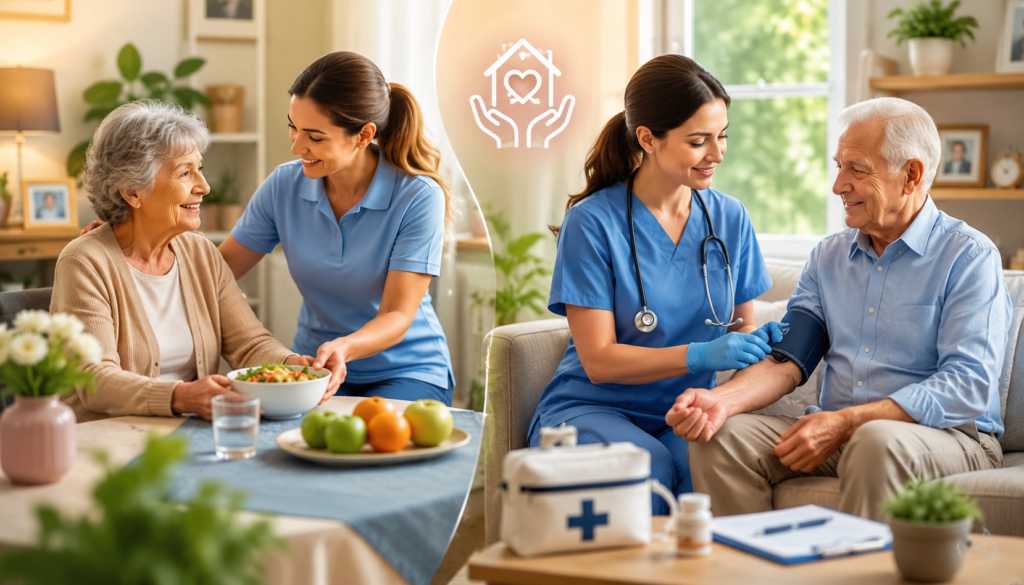
Deciding how to support a loved one as they age or manage a chronic condition can feel overwhelming. Like many families in Farmington Hills, you may be trying to understand the difference between home care and home health care — two services that sound similar but serve very different purposes.
Understanding that difference is essential to making sure your loved one receives the right level of support to remain safe, comfortable, and independent at home. At T.O.N.E. Home Care, we believe clarity is the first step toward peace of mind.
Why Many Seniors Need Additional Support at Home
Most seniors want to remain in the comfort of their own homes for as long as possible. But over time, everyday tasks can become more difficult.
You may notice a parent forgetting meals, struggling with laundry, or becoming less socially active. Small challenges like these can gradually affect safety, nutrition, emotional well-being, and overall quality of life.
For many families, the challenge is not a lack of care or commitment — it is simply knowing which type of professional support is the right fit.
Home Care vs. Home Health Care: What’s the Difference?
The simplest way to understand the difference is this:
- Home care helps with daily living and personal support.
- Home health care provides medical treatment and clinical recovery services at home.
While both services help people remain at home safely, they are designed for very different needs.
What Is Home Care?
Home care services are non-medical and do not replace physician-directed medical treatment. Home care — sometimes also called personal care or companion care — focuses on helping seniors manage everyday life safely and comfortably at home.
This is the core of what we provide at T.O.N.E. Home Care.
A professional caregiver provides non-medical support that helps reduce stress, improve safety, and maintain independence. These services are typically arranged directly by families and do not require a physician’s order.
Common home care services include:
- Assistance with bathing, dressing, and grooming
- Meal planning and preparation
- Light housekeeping and laundry
- Companionship and social engagement
- Medication reminders
- Mobility and fall-prevention support
Home care is often the right solution for seniors who are generally stable medically, but need consistent help with daily routines and household responsibilities.
What Is Home Health Care?
Home health care is medical care provided in the home by licensed healthcare professionals. It is usually prescribed by a physician after surgery, hospitalization, injury, or a new medical diagnosis.
Unlike home care, home health care focuses on clinical treatment and recovery.
Services may include:
- Skilled nursing care
- Wound care and medical monitoring
- Physical therapy
- Occupational therapy
- Speech therapy
- Post-surgical rehabilitation
The goal of home health care is to help patients recover safely, regain function, and reduce the risk of complications or hospital readmissions.
When Does Someone Need Home Care vs. Home Health Care?
A senior who is becoming forgetful, isolated, or physically frail may benefit most from home care services and daily assistance.
A senior recovering from surgery, managing a complex medical condition, or requiring rehabilitation will likely need home health care services from licensed clinicians.
In many situations, families benefit from both.
At T.O.N.E. Home Care, we often work alongside medical providers to support the non-clinical side of recovery and aging at home. While nurses and therapists manage clinical treatment, our caregivers help maintain a clean, comfortable, and supportive daily environment.
Compassionate Home Care Support in Farmington Hills
We understand that inviting someone into your home requires trust. Families are not simply looking for assistance — they are looking for dependable support, compassionate care, and peace of mind.
At T.O.N.E. Home Care, our mission is to help seniors remain safe, comfortable, and supported in the place they know best: home.
We pay attention to the small details that can make a meaningful difference in everyday life — from meal support and companionship to maintaining a safer home environment.
Get the Support Your Loved One Deserves
Families across Southeast Michigan trust T.O.N.E. Home Care for compassionate in-home support designed around dignity, safety, and independence.
You do not have to manage caregiving responsibilities alone. Whether your family needs occasional assistance or more consistent daily support, we are here to help you explore the right care solution with compassion and clarity.
Contact T.O.N.E. Home Care
Address: 33742 W 12 Mile Rd A, Farmington Hills, MI 48331
Phone: +1 248-536-2915
Email: [email protected]
Website: https://tonehomecare.com/
Let us help your loved one continue living safely and comfortably at home.
Frequently Asked Questions
What is the difference between home care and home health care?
Home care provides non-medical assistance with daily living activities such as bathing, meal preparation, companionship, and housekeeping. Home health care provides medical services at home, including skilled nursing, therapy, wound care, and rehabilitation prescribed by a physician.
Does home care require a doctor’s prescription?
No. Home care services are non-medical and are typically arranged directly by families without a physician’s order.
What services are included in home care?
Home care services commonly include personal hygiene assistance, meal preparation, companionship, medication reminders, light housekeeping, mobility support, and help with daily routines.
When should a senior receive home health care?
Home health care is appropriate when a senior is recovering from surgery, illness, hospitalization, injury, or managing a medical condition that requires skilled nursing or therapy services at home.
Can a senior receive both home care and home health care at the same time?
Yes. Many seniors benefit from both services simultaneously. Home health care addresses medical recovery needs, while home care provides daily support, safety assistance, and companionship.
How can home care help seniors remain independent longer?
Home care helps seniors maintain safer daily routines, reduce fall risks, improve nutrition, combat loneliness, and receive assistance with activities that may become difficult with age, allowing them to remain comfortably at home longer.